PRODUCT

全部
  • 全部
  • 产品管理

AI server liquid cooling Brazing cold plate

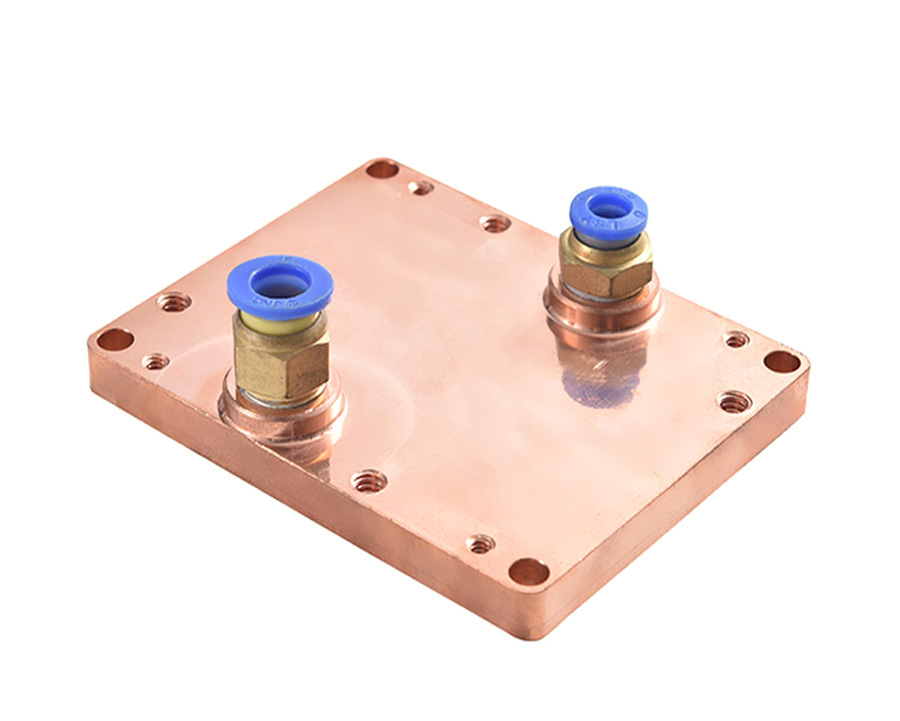
What are the key points in the production process of AI server liquid cooling water block brazing cold plate?The production process of AI server liquid cooling water block brazing cold plates is a precise and complex procedure that ensures efficient heat dissipation, Below are the production steps from Vansim for the brazed cold plate for the AI server CPU liquid cooling: Firstly, material selection. High - purity copper of Cu1100 and Cu1020 all be avaliable for the copper base and cover. Why choose the copper material for the water block rather than aluminum? For the high power CPU chips, More heat dissipation effiencent of copper became the top choice.Next comes the machining stage. Precision machining techniques such as CNC milling are used to create the fluid channels inside the cold plate. Include the roughless and flatness for the surface is critical. High performance CPU cooling plate usually design with the micro-channel cover for the water block inside. The micro fins as the flow channels inside, How does the the micro fins be machined? It can be machined by skiving fin process. High density fins be skived on a copper base, Conbined with the CNC machining to be a channel base for the water block.Then, Vacuum brazing process: Provides oxygen-free environment to prevent oxidation, ideal for high-purity copper, The temperature must exceed the brazing filler metal’s melting point , Copper brazing temperature usually need to be ~850°C ),Still need to remain below the base material’s melting point to avoid distortion;Another is the Pressure and Positioning: the water block are clamped or fixtured to maintain minimal gap during brazing, as excessive gaps reduce joint strength and thermal conductivity. This entire production process combines advanced materials, precise machining, and strict quality control to produce high - performance liquid cooling water block brazing cold plates for AI servers.

Double-Sided Bonded Fin Heat Sinks

Application of Dual-Sided Heat Dissipation Structure Bonded Fin Heat Sink (Double-Side Composite Fin Heat Sink)I. Brief Description of StructureThe dual-sided heat dissipation Bonded fin heatsink adopts a double-baseplate + double-sided high-density bonded fin sandwich structure: the heat source module is clamped between the upper and lower baseplates. Both sides of the baseplates can dissipate heat through bonded fin high-density fins to the airflow channels on both sides via convection. This design supports copper-aluminum hybrid material combinations, overcoming the limitations of extruded aluminum heatsinks which only allow single-sided heat dissipation and have a restricted aspect ratio.II. Core Advantages (Unique Features of the Dual-Sided Structure)Doubled Heat Dissipation Area: With the same footprint size, it effectively balances the temperature rise of high-power devices on both sides.Balanced Temperature Control & Hotspot Mitigation: Dissipates heat on both sides, reducing the temperature gradient caused by unidirectional heat transfer from the chip. This minimizes thermal cycling stress and extends the lifespan of IGBT/SiC modules.High Material Flexibility: The upper/lower baseplates and fins can be independently selected (e.g., copper baseplate + aluminum fins, or copper fins on both sides), balancing performance and cost. Heat pipes can also be embedded inside the baseplate for further heat spreading.Simultaneous Dual-Direction Heat Conduction: Heat is transferred from the power devices simultaneously upward and downward to the fin arrays on both sides. The heat dissipation area is nearly doubled, and the overall thermal resistance is significantly reduced. This design is ideal for high-power-density applications, limited chassis space, and scenarios requiring double-sided power device placement.Design Trade-off ReminderThe dual-sided structure doubles the number of fins, leading to a significant increase in overall airflow resistance. This requires matching with fans that have sufficient static pressure. The increased number of components and assembly steps also result in higher costs compared to standard single-sided bonded fin heatsinks. It is crucial to ensure unobstructed airflow in both the upper and lower air channels; blockage on one side will directly negate the benefits of the dual-sided heat dissipation.Application Scenarios for Dual-Sided Heat Dissipation Structure Bonded Fin Heat Sink (Double-Side Bonded Fin Heat Sink)I. Industrial Drives & High-Power Power SuppliesHigh-power frequency converters, high-voltage servo drives.Industrial uninterruptible power supplies (UPS), high-voltage DC power supplies, high-power DC regulated power supplies.High-power active power filters, SVG static reactive power compensation devices.Characteristics: These applications often involve stacking multiple power modules. The dual-sided heat dissipation solution simplifies the overall system airflow layout and reduces the overall equipment size.II. Lasers, Medical Equipment, and Specialized ApplicationsIndustrial fiber laser power supplies, RF laser drive power supplies.High-power power supply modules for medical imaging equipment.Traction converters for rail transit, military radar transmitters.III. Other Typical High-Heat-Flux EquipmentHigh-power induction heating power supplies, charging pile power modules, marine onboard converters.✅ How to Quickly Determine When to Prioritize the Dual-Sided Bonded Fin Heatsink?Power devices can be mounted on both sides, with heat sources clamped between the two baseplates.The chassis has reserved airflow channels on the top/bottom or both sides to enable dual-sided ventilation.The thermal solution is air-cooled (not liquid-cooled) and has stringent thermal resistance requirements.The equipment aims for miniaturization, and the heatsink mounting footprint area is limited.High-loss power devices like SiC/IGBT modules require strict hotspot thermal management.

LED grow light heat sink manufacturing from Skived process

How does Skived process worked for LED grow light heat sink in greenhouse? And what's the advantages?Skived fin heat sinks are a popular choice for high-power LED grow lights in greenhouses because they offer a great balance of thermal performance and design flexibility!Here's a breakdown to show you how the skiving process works and why it's advantageous for this application.⚙️ How does Vansim's Skiving Process Works?Think of it like a very precise, mechanical peeling process, similar to slicing a piece of wood or butter with a planer.1.  Starting Material: Make a extrusion tooling to make the structure be very light and light weight for the heat sinks.2. Skiving production: Throught the skiving technology to make the a extruded profile material skived with fins.3.  Gearing hobbing and Precision Cutting: A very sharp, specialized blade is used to slice into the top surface of the block at a specific angle. Throug the gearing tooling move the sharp top ; Then making a precise cut to create pieces heat sink. ✅ The skived heat sink's Advantages for LED Grow Lights- **High-power LEDs Superior Heat Dissipation**:  convert only 5-40% of their electricity into light; the rest becomes heat. If this heat isn't managed, it can raise the LED junction temperature, reducing light output, shortening the fixture's lifespan, and even shifting the light wavelength, which can negatively affect plant growth. The skived process allows for more fins per inch than traditional extrusion, creating a much larger surface area for heat to dissipate into the air.- **Excellent Thermal Efficiency**: Because the fins and base are one piece, there's no thermal resistance at the joint. This means heat travels from the LED through the aluminum or copper with nearly 100% efficiency of the base material's thermal conductivity.- **Design Flexibility**: Compared to extrusion, which requires expensive custom dies for new shapes, a skived heat sink offers greater flexibility. Manufacturers can adjust fin thickness (as thin as 0.12mm), height, and spacing to perfectly match the thermal requirements of a specific high-power grow light thermal design.- **Balance of Cost and Performance**: While extrusion is cheaper for simple, high-volume designs, skiving offers higher performance without the high tooling costs of extrusion, making it a cost-effective choice for complex, high-performance needs.While other heat sink types exist, the skived process provides an ideal middle ground for many greenhouse applications, delivering high performance, reliable thermal management for demanding LEDs, and the flexibility needed for custom grow light designs.  

battery cooling brazed cold plate for energy storage cooling system

Ultra-Thin Brazed Cold PlateFor Battery Energy Storage System (BESS) Liquid CoolingStamped Components + Vacuum Brazing process – The Manufacturing BackboneMass production at this thin geometry cannot rely on traditional CNC-machined channels. We use high-speed stamping for both the cover plate and the baseplate, followed by precision vacuum brazing.Stamped Cover & BaseplateProgressive die stamping ensures consistent channel depth (±0.05 mm) and flatness across high-volume runsNo secondary machining on flow paths – reducing cost and lead timeMaterial: corrosion-resistant aluminum (3003 or 6061-series) with optional chromate-free conversion coatingVacuum Brazing – Joint Integrity at 3.0 mmBrazing filler metal (clad layer) is pre-applied on the baseplate; during brazing, capillary flow creates a continuous, void-free bondThe thin wall withstands brazing thermal cycles without warping, thanks to controlled fixture clamping and ramp-rate profilingTypical burst pressure > 2.5 MPa, leak rate < 1×10⁻⁶ mbar·L/s (helium) – reliable for long-term ESS operationBuilt for High-Volume Production & Rugged HandlingAt 3.0 mm, thin plates are prone to denting and warping during transfer. Vansim addresses this with:Custom stacking trays with edge-support ribsAutomated pick-and-place with vacuum grippers (not mechanical clamps)100% flatness check after brazing – out-of-tolerance parts are auto-rejectedAll parts are delivered with protective film on both sides and edge protectors for shipment.We have to also explain our disadvantages to you: The cost for the prototype will be higher, It's will perform well during mass production for the cost.Why Vansim for Your ESS battery brazed Cold PlateProcess maturity: Stamping + brazing line dedicated to thin-walled battery productsFlexible sizing: From 200×150 mm to 1200×600 mm, all with 3.0 mm baseline (other thicknesses available)Quick NPI: Prototype tooling in 4 weeks, production tooling in 6–8 weeksFull traceability: Each plate laser-marked with batch ID linking to stamping press parameters, brazing furnace curve, and leak test results 

Aluminum Extrusion heat sink

The role of aluminum extrusion heat sinks as exterior components Aluminum extrusion heat sinks with colored surface treatments serve multiple critical roles as exterior components in various applications, combining functional performance with aesthetic and environmental benefits. Below is a detailed analysis of their key roles:1. Extursion Heat Sink Efficient Heat DissipationAs extrusion heat sinks, their primary function is to dissipate thermal energy generated by internal components (e.g., electronics, lighting, power systems). Aluminum’s high thermal conductivity (approximately 205 W/m·K) ensures effective heat transfer from the heat source to the exterior environment. The extruded fin design maximizes surface area, enhancing convective and radiative heat loss. Colored surface treatments, when properly selected, can optimize thermal performance: 2. Extursion Heat Sink Aesthetic EnhancementColored surface treatments transform heat sinks from purely functional components into design elements that integrate with architectural or product aesthetics:Customizable finishes: Processes like anodizing, powder coating, or electrophoretic painting allow vibrant, durable colors (e.g., metallic hues, matte textures, or even wood-grain effects) to match branding, building facades, or outdoor landscapes.Architectural applications: In exterior building systems (e.g., solar panels, LED lighting fixtures, or ventilation systems), colored heat sinks can blend seamlessly with the structure’s design, enhancing visual harmony rather than appearing as industrial afterthoughts.Product differentiation: In consumer electronics (e.g., outdoor speakers, security cameras), colored heat sinks contribute to a product’s unique identity, appealing to design-conscious users.3. Extursion Heat Sink Corrosion and Weather ResistanceExterior environments expose heat sinks to moisture, UV radiation, salt, and pollutants. Surface treatments provide a protective barrier:Anodizing: Creates a thick aluminum oxide layer (up to 25 microns) that resists corrosion, UV fading, and abrasion. Colored anodizing integrates dye into the oxide layer for long-lasting colorfastness.Powder coating: A polymer-based coating applied electrostatically and cured at high temperatures, offering excellent resistance to chipping, fading, and chemical exposure. It is ideal for harsh climates (e.g., coastal areas, industrial zones).Electroplating or PVD (Physical Vapor Deposition): Thin metallic coatings (e.g., chrome, nickel) add corrosion resistance and decorative finishes, though they are less commonly used for large extrusions due to cost4.Extursion Heat Sink Environmental and Functional AdaptabilityColored heat sinks can be engineered to address specific environmental or operational needs:Solar control: Light-colored coatings with high solar reflectance (SRI) reduce the "urban heat island" effect in building applications by reflecting sunlight, lowering the heat sink’s temperature and adjacent ambient air.UV stability: Specialized coatings (e.g., fluoropolymer-based powders) resist degradation from prolonged UV exposure, ensuring color and performance longevity in outdoor settings.Anti-graffiti or self-cleaning coatings: In public spaces, heat sinks can be treated with superhydrophobic or anti-adhesive layers, combining color with functional maintenance benefits.5. Extursion Heat Sink Structural and Installation BenefitsAluminum extrusion’s inherent properties, combined with surface treatments, simplify integration into exterior systems:Lightweight strength: Aluminum is significantly lighter than copper or steel, reducing structural load and installation costs for large-scale projects (e.g., outdoor signage, stadium lighting).Design flexibility: Extrusion allows complex fin geometries (e.g., straight, serrated, or pin fins) tailored to airflow requirements, while colored treatments can be applied uniformly across intricate shapes.Modular systems: Colored heat sinks can be pre-fabricated as standardized modules, enabling quick assembly and replacement in field applications.6. Extursion Heat Sink Sustainability and RecyclabilityAluminum is highly recyclable, with minimal loss of properties during reprocessing. Colored surface treatments that use eco-friendly processes (e.g., water-based paints, low-VOC powders) align with sustainable design goals. At end-of-life, the heat sink’s aluminum substrate can be separated from coatings (via thermal stripping or mechanical recycling) for reuse, reducing environmental impact.Extursion Heat Sink Applications ExamplesIndustry/ProductRole of Colored Aluminum Extrusion Heat SinksOutdoor LED LightingDissipate heat from LEDs while matching fixture color schemes (e.g., black, bronze, or silver).Solar Energy SystemsDark-colored heat sinks absorb solar energy in thermal panels; light colors reduce heat gain in photovoltaic (PV) module electronics.Building FacadesIntegrated into ventilated facades or curtain walls as both heat dissipation

Electrical liquid cooling brazed cold plate mass production

Hybrid Welding Process Cold Plates: Brazed and FSW cold plate Our new-generation aluminum cold plates break away from conventional internal channel machining and single welding processes. We have pioneered an integrated manufacturing chain combining Friction Stir Welding (FSW) and vacuum brazing. Based on extruded aluminum profiles, the two welding processes are deployed with well-divided functional roles. Without compromising sealing reliability and thermal performance, this solution delivers high efficiency, low cost and high-volume mass production capacity urgently needed for consumer electronics and energy storage industries. Full Production Workflow: Standardized Assembly Line from Aluminum Extrusion to Finished Products1. Aluminum Extrusion Forming the flow channel as the baseCustom dies extrude hollow flat tubes and profiles with complex internal tooth structures, enabling one-step channel forming. The material utilization rate exceeds 95%. 2. End Sealing via Friction Stir WeldingEnd plugs are pressed in at high rotational speed to form a solid-state joint in an instant, creating hermetic flow channels with pressure resistance above 1.0 MPa.3. Brazed joints for the cold plateCNC-machined inlet and outlet joints are coated with brazing paste and fitted into reserved holes of cold plates, followed by treatment in a continuous brazing furnace. Hundreds of parts can be processed in a single batch, significantly cutting energy and labor costs per unit. 4. Precision Post CNC MachiningMounting surfaces, positioning holes and nozzle end faces undergo precision milling to guarantee flatness within 0.05 mm, meeting the tight mounting requirements of IGBTs and power modules. 5. Leak Testing & Finished Goods Dispatch100%  mass leak testing is implemented to ensure zero-defect delivery. 

battery cooling brazed cold plate

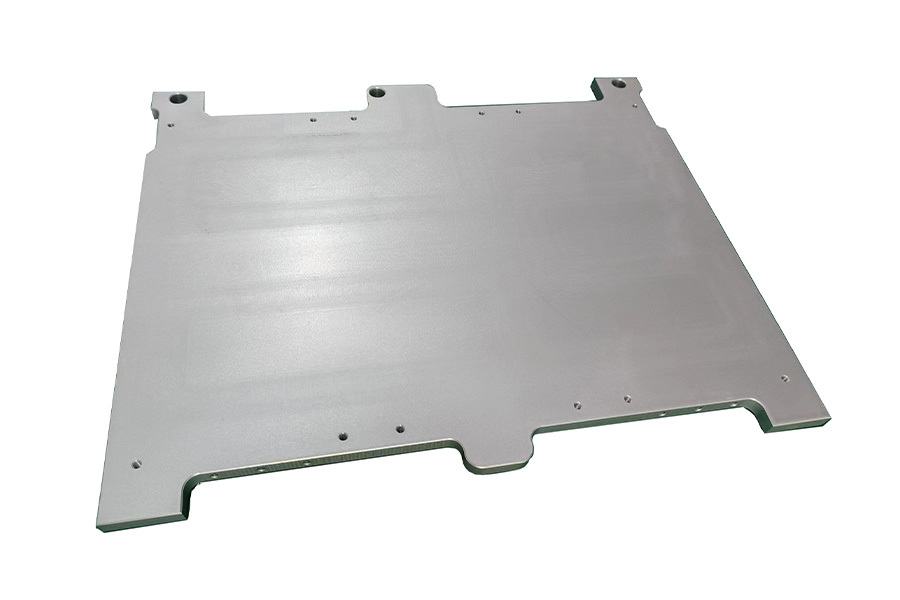
Ultra-Thin Brazed Cold PlateFor Battery Energy Storage System (BESS) Liquid CoolingStamped Components + Vacuum Brazing process – The Manufacturing BackboneMass production at this thin geometry cannot rely on traditional CNC-machined channels. We use high-speed stamping for both the cover plate and the baseplate, followed by precision vacuum brazing.Stamped Cover & BaseplateProgressive die stamping ensures consistent channel depth (±0.05 mm) and flatness across high-volume runsNo secondary machining on flow paths – reducing cost and lead timeMaterial: corrosion-resistant aluminum (3003 or 6061-series) with optional chromate-free conversion coatingVacuum Brazing – Joint Integrity at 3.0 mmBrazing filler metal (clad layer) is pre-applied on the baseplate; during brazing, capillary flow creates a continuous, void-free bondThe thin wall withstands brazing thermal cycles without warping, thanks to controlled fixture clamping and ramp-rate profilingTypical burst pressure > 2.5 MPa, leak rate < 1×10⁻⁶ mbar·L/s (helium) – reliable for long-term ESS operationBuilt for High-Volume Production & Rugged HandlingAt 3.0 mm, thin plates are prone to denting and warping during transfer. Vansim addresses this with:Custom stacking trays with edge-support ribsAutomated pick-and-place with vacuum grippers (not mechanical clamps)100% flatness check after brazing – out-of-tolerance parts are auto-rejectedAll parts are delivered with protective film on both sides and edge protectors for shipment.We have to also explain our disadvantages to you: The cost for the prototype will be higher, It's will perform well during mass production for the cost.Why Vansim for Your ESS battery brazed Cold PlateProcess maturity: Stamping + brazing line dedicated to thin-walled battery productsFlexible sizing: From 200×150 mm to 1200×600 mm, all with 3.0 mm baseline (other thicknesses available)Quick NPI: Prototype tooling in 4 weeks, production tooling in 6–8 weeksFull traceability: Each plate laser-marked with batch ID linking to stamping press parameters, brazing furnace curve, and leak test results 

AI server liquid cooling CPU Brazing cold plate

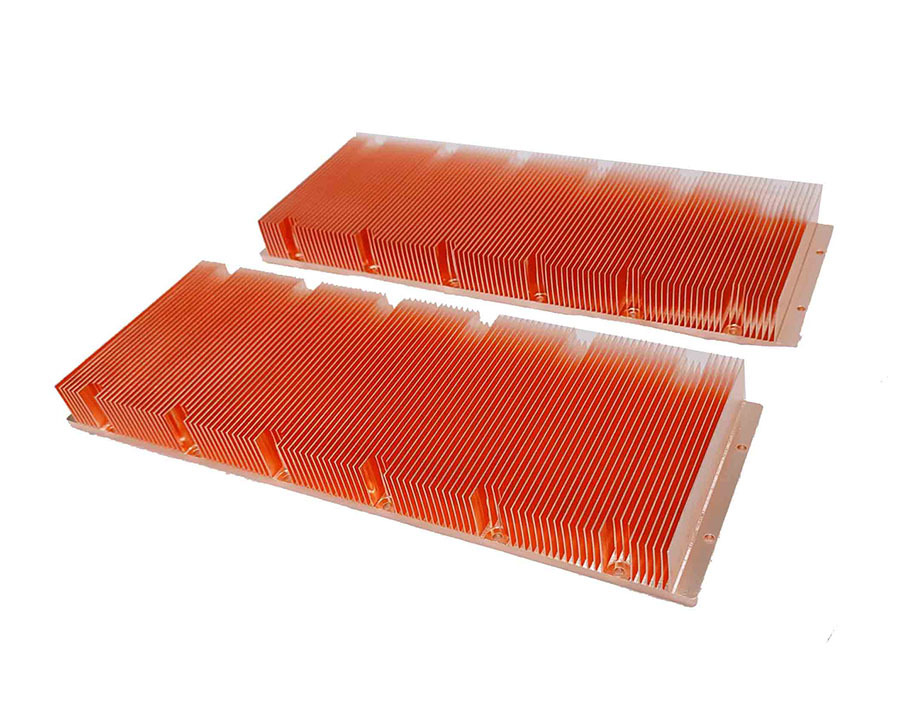
Higher density fins of copper skived heat sink cover and precision copper base through brazed process come to be a cold plate. Mass production support for AI servers liquid cooling system.

IGBT liquid cooling by copper tube cold plate

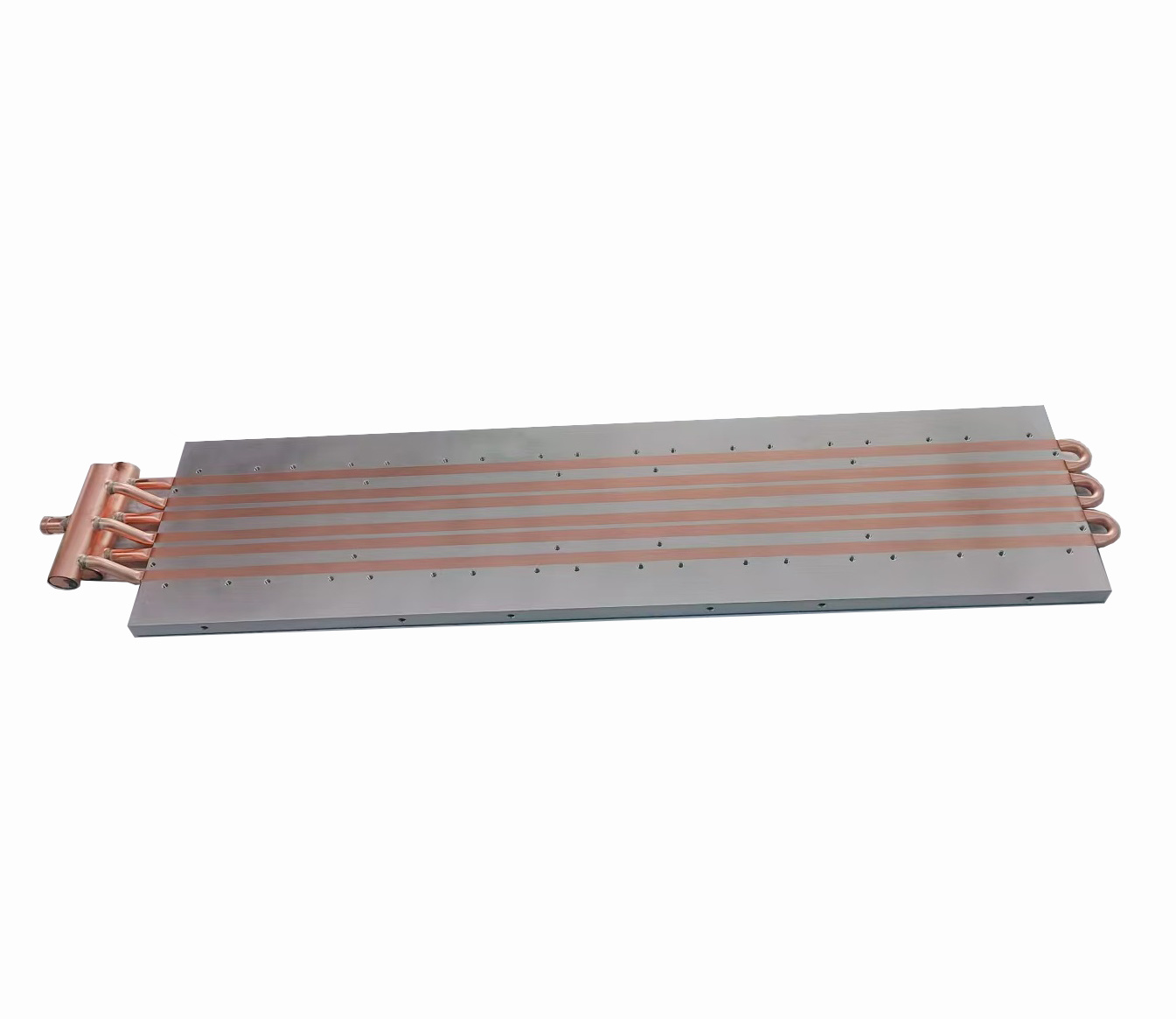
What is Vansim's manufacturing process of embedded copper tube liquid cooling plate ? Design and material selection: Copper tube processing- Cutting: Bending: Substrate processing- Slotting: Cleaning: Buried pipe and epoxy filling-Buried pipe , CNC machining: Surface treatment- Passivation: Performance test- Sealing test: Leakage testing  

battery cooling cold plate

FSW Liquid Cold Plate for Battery Cooling SystemFriction Stir Welding (FSW) is a solid-state joining process that utilizes a rotating tool to generate frictional heat at the interface of two materials, typically metals. The heat softens the material, allowing it to be mixed and joined without reaching the melting point. This process results in a strong, defect-free bond with excellent mechanical properties.Flexible flow channels is the great advantages for the liquid cooling plate design! Both aluminum and copper material can be avaliable!**Advantages of FSW Liquid Cold Plates**1. **Enhanced Thermal Performance**: The ability to create complex channel geometries through FSW significantly enhances the thermal performance of liquid cold plates. The increased surface area allows for more effective heat transfer, which is critical in maintaining optimal battery temperatures.FSW liquid cold plates are particularly well-suited for use in battery cooling systems across various applications. 1. **Electric Vehicles**: In the automotive industry, maintaining optimal battery temperatures is crucial for performance and longevity. FSW liquid cold plates can efficiently dissipate heat generated during charging and discharging cycles, ensuring that batteries operate within safe temperature limits.2. **Renewable Energy Storage**: As the adoption of renewable energy sources increases, so does the need for efficient energy storage solutions. FSW liquid cold plates can be integrated into battery systems for solar and wind energy storage, helping to manage heat and improve the overall efficiency of these systems.3. **Consumer Electronics**: The demand for high-performance batteries in consumer electronics has also risen. FSW liquid cold plates can be employed in laptops, smartphones, and other devices to enhance thermal management, ensuring that devices remain cool during operation.Below picture are the varieties of flow channel stractures for you to have a look for reference for your liquid cooling plate design!