The role of aluminum extrusion heat sinks as exterior components
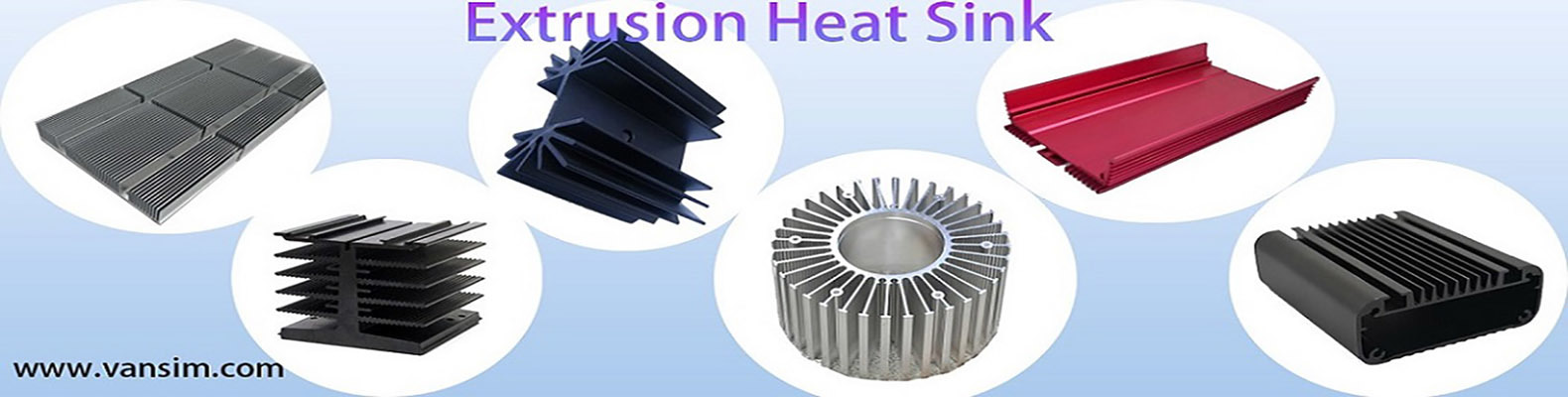
Aluminum extrusion heat sinks with colored surface treatments serve multiple critical roles as exterior components in various applications, combining functional performance with aesthetic and environmental benefits. Below is a detailed analysis of their key roles:
1. Extursion Heat Sink Efficient Heat Dissipation
2. Extursion Heat Sink Aesthetic Enhancement
- Customizable finishes: Processes like anodizing, powder coating, or electrophoretic painting allow vibrant, durable colors (e.g., metallic hues, matte textures, or even wood-grain effects) to match branding, building facades, or outdoor landscapes.
- Architectural applications: In exterior building systems (e.g., solar panels, LED lighting fixtures, or ventilation systems), colored heat sinks can blend seamlessly with the structure’s design, enhancing visual harmony rather than appearing as industrial afterthoughts.
- Product differentiation: In consumer electronics (e.g., outdoor speakers, security cameras), colored heat sinks contribute to a product’s unique identity, appealing to design-conscious users.
3. Extursion Heat Sink Corrosion and Weather Resistance
- Anodizing: Creates a thick aluminum oxide layer (up to 25 microns) that resists corrosion, UV fading, and abrasion. Colored anodizing integrates dye into the oxide layer for long-lasting colorfastness.
- Powder coating: A polymer-based coating applied electrostatically and cured at high temperatures, offering excellent resistance to chipping, fading, and chemical exposure. It is ideal for harsh climates (e.g., coastal areas, industrial zones).
- Electroplating or PVD (Physical Vapor Deposition): Thin metallic coatings (e.g., chrome, nickel) add corrosion resistance and decorative finishes, though they are less commonly used for large extrusions due to cost
4.Extursion Heat Sink Environmental and Functional Adaptability
- Solar control: Light-colored coatings with high solar reflectance (SRI) reduce the "urban heat island" effect in building applications by reflecting sunlight, lowering the heat sink’s temperature and adjacent ambient air.
- UV stability: Specialized coatings (e.g., fluoropolymer-based powders) resist degradation from prolonged UV exposure, ensuring color and performance longevity in outdoor settings.
- Anti-graffiti or self-cleaning coatings: In public spaces, heat sinks can be treated with superhydrophobic or anti-adhesive layers, combining color with functional maintenance benefits.
5. Extursion Heat Sink Structural and Installation Benefits
- Lightweight strength: Aluminum is significantly lighter than copper or steel, reducing structural load and installation costs for large-scale projects (e.g., outdoor signage, stadium lighting).
- Design flexibility: Extrusion allows complex fin geometries (e.g., straight, serrated, or pin fins) tailored to airflow requirements, while colored treatments can be applied uniformly across intricate shapes.
- Modular systems: Colored heat sinks can be pre-fabricated as standardized modules, enabling quick assembly and replacement in field applications.
6. Extursion Heat Sink Sustainability and Recyclability
Extursion Heat Sink Applications Examples
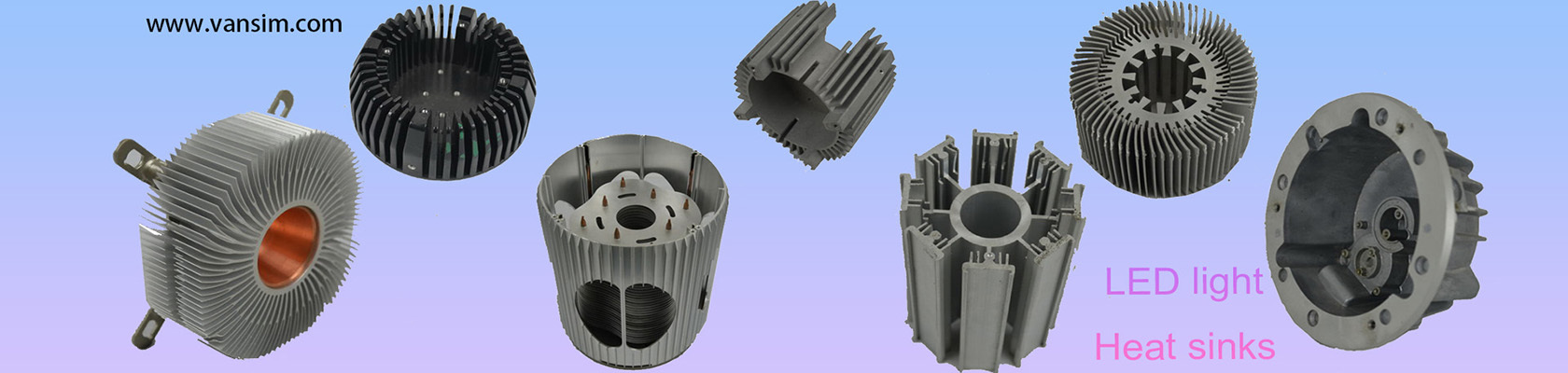
Extursion Heat Sink Challenges and Considerations
- Color vs. Thermal Performance: Dark colors enhance heat absorption, which may be undesirable in some applications (e.g., cooling electronics). Engineers must balance aesthetic goals with thermal requirements using computational fluid dynamics (CFD) modeling.
- Coating Adhesion: Proper pretreatment of aluminum (e.g., degreasing, etching) is critical to ensure coatings bond securely and resist peeling or flaking.
- Regulatory Compliance: In some markets, exterior components must meet standards for fire resistance, weathering, or energy efficiency (e.g., LEED certification), influencing coating and material choices.
Aluminum Extrusion heat sink
The role of aluminum extrusion heat sinks as exterior components Aluminum extrusion heat sinks with colored surface treatments serve multiple critical roles as exterior components in various applications, combining functional performance with aesthetic and environmental benefits. Below is a detailed analysis of their key roles:1. Extursion Heat Sink Efficient Heat DissipationAs extrusion heat sinks, their primary function is to dissipate thermal energy generated by internal components (e.g., electronics, lighting, power systems). Aluminum’s high thermal conductivity (approximately 205 W/m·K) ensures effective heat transfer from the heat source to the exterior environment. The extruded fin design maximizes surface area, enhancing convective and radiative heat loss. Colored surface treatments, when properly selected, can optimize thermal performance: 2. Extursion Heat Sink Aesthetic EnhancementColored surface treatments transform heat sinks from purely functional components into design elements that integrate with architectural or product aesthetics:Customizable finishes: Processes like anodizing, powder coating, or electrophoretic painting allow vibrant, durable colors (e.g., metallic hues, matte textures, or even wood-grain effects) to match branding, building facades, or outdoor landscapes.Architectural applications: In exterior building systems (e.g., solar panels, LED lighting fixtures, or ventilation systems), colored heat sinks can blend seamlessly with the structure’s design, enhancing visual harmony rather than appearing as industrial afterthoughts.Product differentiation: In consumer electronics (e.g., outdoor speakers, security cameras), colored heat sinks contribute to a product’s unique identity, appealing to design-conscious users.3. Extursion Heat Sink Corrosion and Weather ResistanceExterior environments expose heat sinks to moisture, UV radiation, salt, and pollutants. Surface treatments provide a protective barrier:Anodizing: Creates a thick aluminum oxide layer (up to 25 microns) that resists corrosion, UV fading, and abrasion. Colored anodizing integrates dye into the oxide layer for long-lasting colorfastness.Powder coating: A polymer-based coating applied electrostatically and cured at high temperatures, offering excellent resistance to chipping, fading, and chemical exposure. It is ideal for harsh climates (e.g., coastal areas, industrial zones).Electroplating or PVD (Physical Vapor Deposition): Thin metallic coatings (e.g., chrome, nickel) add corrosion resistance and decorative finishes, though they are less commonly used for large extrusions due to cost4.Extursion Heat Sink Environmental and Functional AdaptabilityColored heat sinks can be engineered to address specific environmental or operational needs:Solar control: Light-colored coatings with high solar reflectance (SRI) reduce the "urban heat island" effect in building applications by reflecting sunlight, lowering the heat sink’s temperature and adjacent ambient air.UV stability: Specialized coatings (e.g., fluoropolymer-based powders) resist degradation from prolonged UV exposure, ensuring color and performance longevity in outdoor settings.Anti-graffiti or self-cleaning coatings: In public spaces, heat sinks can be treated with superhydrophobic or anti-adhesive layers, combining color with functional maintenance benefits.5. Extursion Heat Sink Structural and Installation BenefitsAluminum extrusion’s inherent properties, combined with surface treatments, simplify integration into exterior systems:Lightweight strength: Aluminum is significantly lighter than copper or steel, reducing structural load and installation costs for large-scale projects (e.g., outdoor signage, stadium lighting).Design flexibility: Extrusion allows complex fin geometries (e.g., straight, serrated, or pin fins) tailored to airflow requirements, while colored treatments can be applied uniformly across intricate shapes.Modular systems: Colored heat sinks can be pre-fabricated as standardized modules, enabling quick assembly and replacement in field applications.6. Extursion Heat Sink Sustainability and RecyclabilityAluminum is highly recyclable, with minimal loss of properties during reprocessing. Colored surface treatments that use eco-friendly processes (e.g., water-based paints, low-VOC powders) align with sustainable design goals. At end-of-life, the heat sink’s aluminum substrate can be separated from coatings (via thermal stripping or mechanical recycling) for reuse, reducing environmental impact.Extursion Heat Sink Applications ExamplesIndustry/ProductRole of Colored Aluminum Extrusion Heat SinksOutdoor LED LightingDissipate heat from LEDs while matching fixture color schemes (e.g., black, bronze, or silver).Solar Energy SystemsDark-colored heat sinks absorb solar energy in thermal panels; light colors reduce heat gain in photovoltaic (PV) module electronics.Building FacadesIntegrated into ventilated facades or curtain walls as both heat dissipation
Contact Us
Classification