Vansim (Dongguan)Hardware Products Co., Ltd.



Are there any alternative methods to make the skiving fin heat sinks for better heat dissipation?
- Optimizing skiving fin design
- Increasing fin density: The thin thickness of the skiving fins and fins' pitch. The more fins there are within a unit area, the larger the heat - dissipation surface area. By reducing the pitch between fins, more fins can be arranged on the heat - sink base, enhancing heat - transfer efficiency. However, the fin density should be optimized according to the actual application scenario and air - flow conditions. If the density is too high, it may lead to poor air circulation between the fins, increasing air resistance and affecting the heat - dissipation effect.
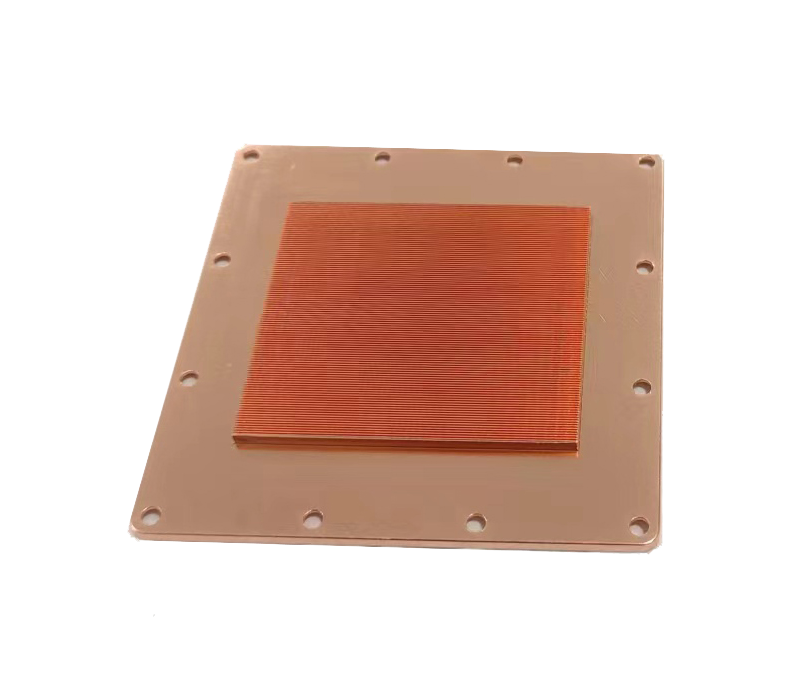 |  |
- Changing fins shape: Customized a special skiving tooling for different shapes of fins for skiving process.The shape of the fins has a significant impact on heat dissipation. For example, using wavy, serrated, or pin - shaped fins instead of traditional straight fins can increase the turbulence of the air flow around the fins, enhance the heat - transfer coefficient between the air and the fin surface, and improve the heat - dissipation efficiency. In addition, optimizing the cross - sectional shape of the fins, such as using trapezoidal or elliptical cross - sections, can also improve the heat - conduction and heat - dissipation performance of the fins.

- Selecting high - performance materials
- Using materials with high thermal conductivity: Common skiving fin material be aluminum and copper, Compared with the aluminum, The material of Copper has more effective performance.The thermal conductivity of the heat - sink material directly affects its heat - dissipation ability. On the basis of the original materials such as aluminum and copper, materials with higher thermal conductivity, such as graphene - enhanced composites and diamond - like carbon films, can be selected. Graphene has extremely high in - plane thermal conductivity. Adding graphene nanosheets to the base material can form a thermal - conductivity network in the material, improving the overall thermal conductivity of the heat sink.
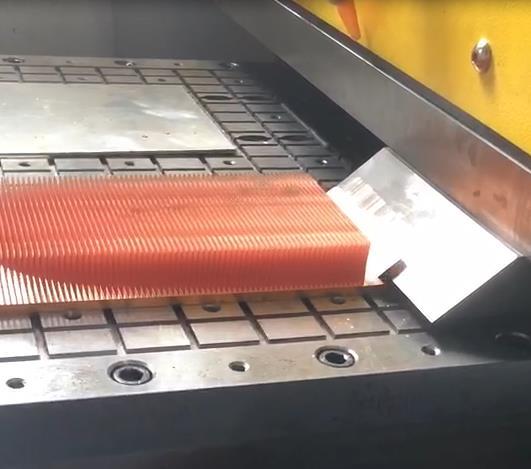 |  |
- Applying surface - treatment technologies: Surface - treatment technologies such as anodizing, plating, and coating can improve the surface properties of heat sinks, enhance their heat - radiation and anti - corrosion abilities. For example, black anodizing treatment can increase the emissivity of the heat - sink surface, improve the efficiency of heat radiation, and make the heat sink dissipate heat more effectively in the form of thermal radiation.
- Combining with other heat - dissipation technologies
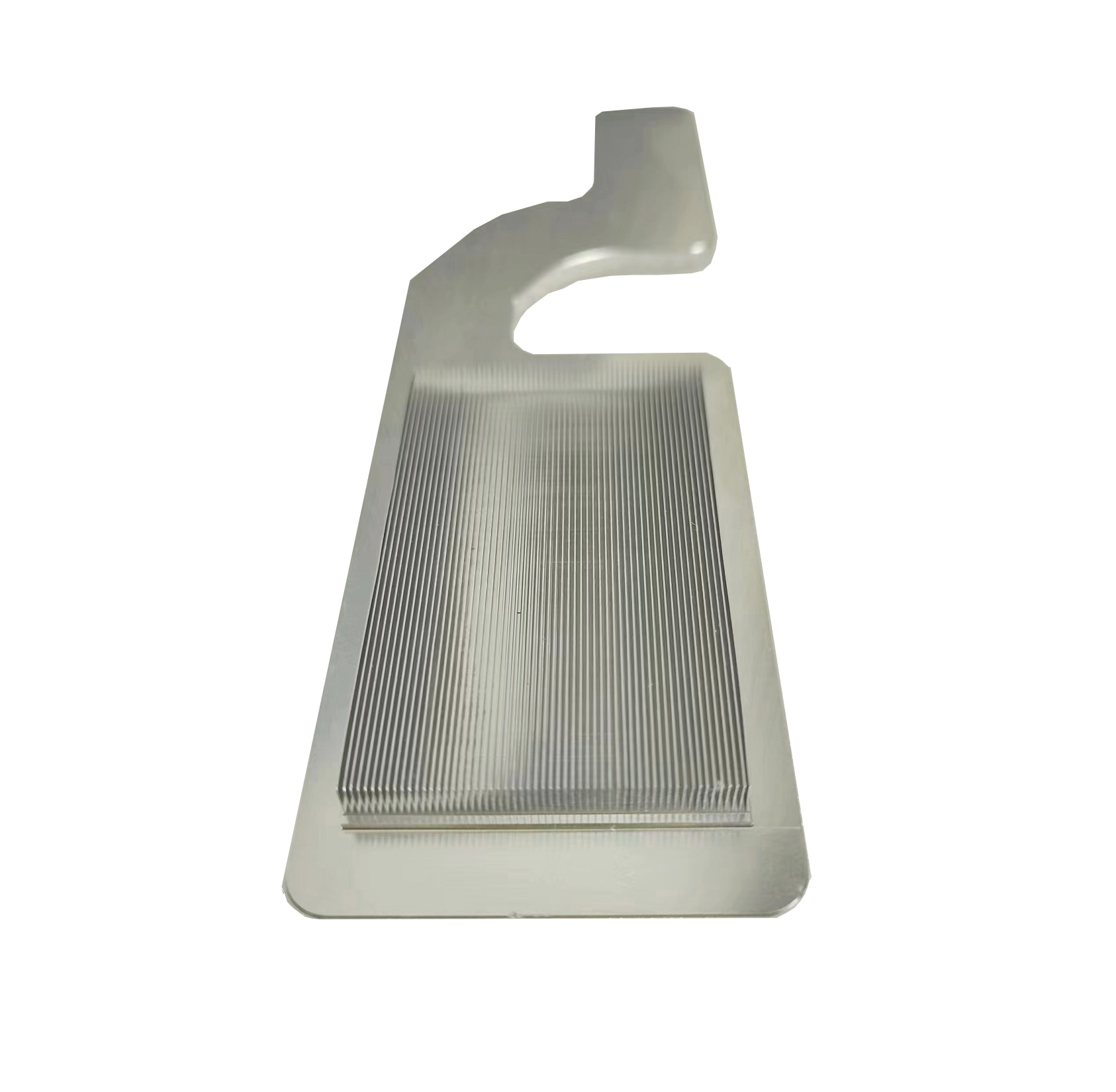
- Integrating with heat pipes: Embedded the heat pipes into the skiving heat sink.Heat pipes have excellent heat - transfer performance and can quickly transfer heat from the heat source to the heat - dissipation end. Embedding heat pipes in skiving fin heat sinks can improve the uniformity of heat distribution on the heat - sink surface and enhance the overall heat - dissipation efficiency. The heat pipe is usually placed in the middle or bottom of the heat - sink base to ensure good contact with the fins and the heat source.

- Using forced - air cooling: Although skiving fin heat sinks have good natural - convection heat - dissipation performance, the heat - dissipation effect can be further improved by adding a fan to introduce forced - air cooling. The fan can accelerate the air flow around the fins, increase the heat - transfer coefficient between the air and the fins, and take away the heat on the fin surface in a timely manner. When designing a forced - air - cooling system, the air - volume, air - speed, and installation position of the fan should be reasonably selected according to the heat - dissipation requirements of the heat sink and the size of the installation space.
Embedded heat pipes Skived heat sink
Alternative methods to make the skiving fin heat sinks for better heat dissipation!
Contact Us
Classification

// CONTACT US
Didn'T Find The Service You Want?
For inquiries about our products, please email to us and we will be in touch within 24 hours.
We Support Customization
Continue To Create Greater Value For Customers
Contact Us
No. 10, Minying West Road, Hengli Town, Dongguan City, China 523390