Vansim (Dongguan)Hardware Products Co., Ltd.




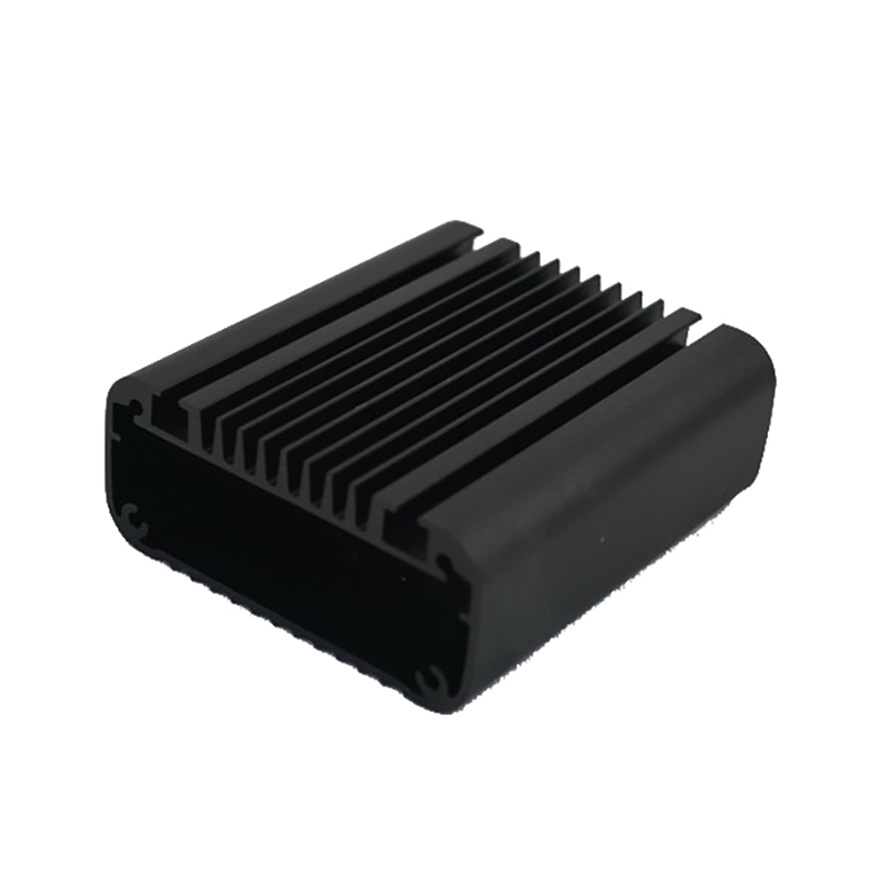
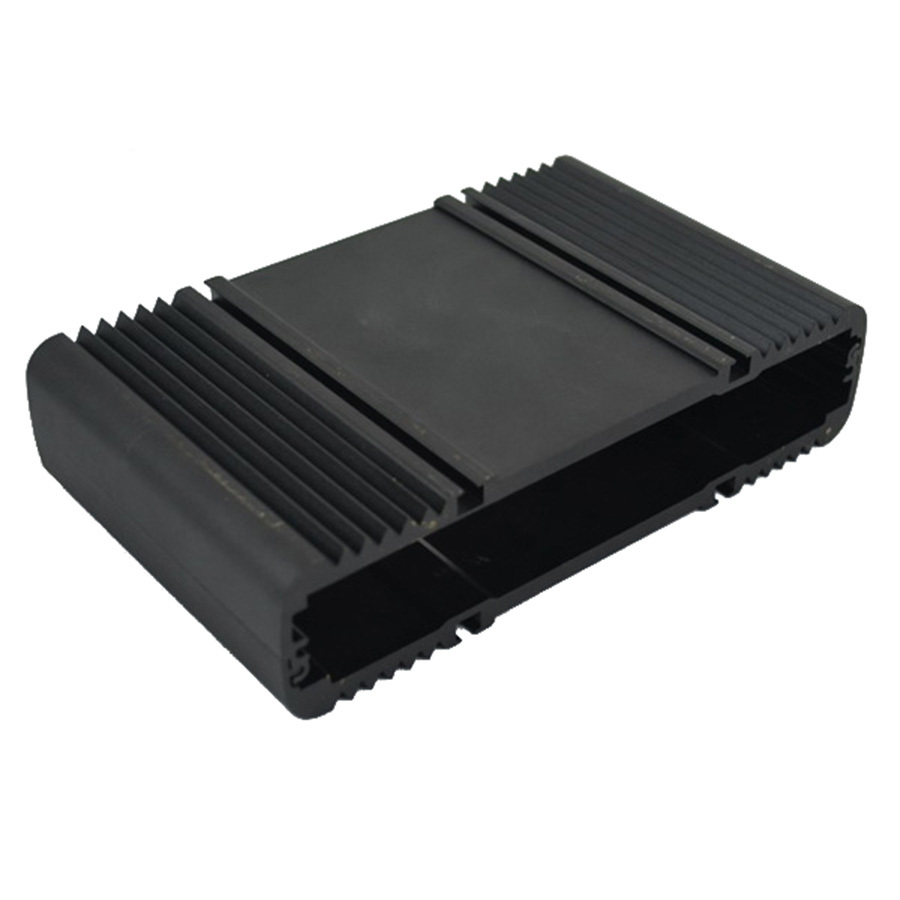
Namibia Aluminum extrusion heat sink shell
The integrated aluminum extrusion heat sink housing means that your electronic components have both a heat sink and a housing device at the same time.
Category:
NamibiaExtrusion Heat Sinks
Product Description
The advantages of the aluminum extruded heat dissipation integrated shell!
1. Excellent Heat Dissipation Performance
- High Thermal Conductivity: Aluminum has a high thermal conductivity (approximately 205 W/m·K), enabling rapid heat transfer from heat-generating components to the surrounding environment.
- Integrated Design: The one-piece extruded structure eliminates thermal interface materials (e.g., thermal grease or pads) between components, reducing thermal resistance and improving heat dissipation efficiency.
- Customizable Fin Structures: Extrusion allows for the creation of complex fin designs (e.g., straight fins, serrated fins, or pin fins) to maximize surface area and enhance convective heat dissipation.
 |  |
2. Lightweight and High Strength
- Low Density: Aluminum is lightweight (density ~2.7 g/cm³), making the shell suitable for applications where weight reduction is critical (e.g., aerospace, electric vehicles, and portable electronics).
- Structural Rigidity: Extruded aluminum profiles offer high strength-to-weight ratio, providing robust mechanical support while maintaining lightness. This is ideal for protecting internal components from shock and vibration.
3. Design Flexibility and Customization
- Complex Geometries: Extrusion processes can form intricate shapes, including hollow sections, ribs, and slots, to integrate heat dissipation features directly into the shell without additional machining.
- Modular Design: Components such as mounting holes, connectors, and brackets can be incorporated during extrusion, reducing assembly steps and costs.
- Surface Treatments: The shell can be easily anodized, painted, or coated to enhance corrosion resistance, aesthetics, or thermal emissivity.

|  |
4. Cost-Effective Production
- High Efficiency: Extrusion is a continuous manufacturing process, enabling mass production with consistent quality and minimal material waste.
- Reduced Post-Processing: The integrated design minimizes the need for secondary operations (e.g., welding or bonding), lowering production costs and turnaround time.
- Scalability: Tooling for extrusion is relatively affordable compared to other manufacturing methods (e.g., casting or forging), making it suitable for both small and large production runs.
5. Corrosion Resistance and Durability
- Natural Oxide Layer: Aluminum forms a thin, self-healing oxide layer (Al₂O₃) that protects against corrosion in most environments.
- Environmental Resistance: Treated aluminum shells can withstand harsh conditions, including moisture, chemicals, and UV radiation, ensuring long-term reliability.
6. Electrical Insulation and Safety
- Non-Magnetic: Aluminum is non-magnetic, making it suitable for applications where electromagnetic interference (EMI) must be avoided (e.g., medical devices, precision instruments).
- Insulation Options: The shell can be combined with insulating materials or coatings to prevent electrical conduction, enhancing safety in electronic devices.
7. Sustainability and Recyclability
- Recyclable Material: Aluminum is highly recyclable without losing its properties, reducing environmental impact and supporting circular economy practices.
- Energy Efficiency: The lightweight nature of aluminum helps reduce energy consumption in transportation and operation (e.g., in electric vehicles or energy-efficient electronics).
8. Versatile Applications
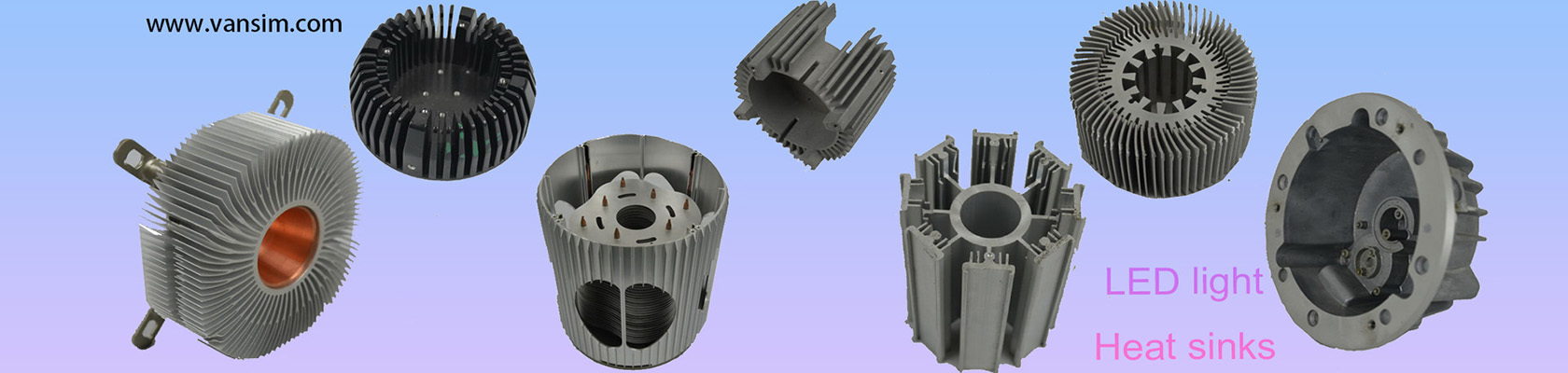
- Electronics: Used in CPU coolers, LED lighting cooling, power supplies cooling, and automotive electronics cooling system to manage heat from high-power components.
- Automotive and Aerospace: Applied in battery packs, motor housings, and aircraft components for heat dissipation and weight reduction.
- Industrial Equipment: Suitable for machinery enclosures, heat exchangers, and renewable energy systems (e.g., solar inverters cooling).
Potential Considerations
// CONTACT US
Didn'T Find The Service You Want?
For inquiries about our products, please email to us and we will be in touch within 24 hours.
We Support Customization
Continue To Create Greater Value For Customers
Contact Us
No. 10, Minying West Road, Hengli Town, Dongguan City, China 523390